
Morningside—Value, If You Know Where To Look
Earth, as seen from the Moon. Artemis II sent this image back last week — the first crewed lunar flyby in over fifty years, and the first to capture.

Contents
Earth, as seen from the Moon. Artemis II sent this image back last week — the first crewed lunar flyby in over fifty years, and the first to capture the far side of the Moon. From a quarter million miles away, there are no neighborhoods, no property lines, no boroughs. Just one small, luminous globe we all call home.
Perspective is a powerful thing.
This week: a closer look at townhouses, through history, context, and where the market is.
- Morningside’s Gold Coast — History, architecture, and a townhouse that captures both
- Manhattan Townhouse Market — Q1 — What pricing trends are actually telling us
- A West Village Benchmark — A $75M townhouse and the upper edge of the market
- Los Angeles LACMA’s new David Geffen Galleries — And a shift in museum design
History of Morningside Heights
We just listed a townhouse on Manhattan Avenue, in the heart of Morningside’s Gold Coast. The story of this neighborhood is what makes it interesting.
ACT I: The Inaccessible Plateau
Morningside Heights sits at one of the highest natural elevations in Manhattan. The ridge rises about 70 feet above Harlem. For years, that geography kept it separate from the rest of the city.
ACT II: The Institutions Arrive
For most of the 19th century, this high ground sat largely empty. What eventually settled here first were institutions. Columbia University arrived in 1897 and the Cathedral of St. John the Divine went up nearby in the same period. Two institutions with the same instinct: height meant authority.
ACT III: The Subway Opens the Floodgates
Then the subway arrived in 1904 — and everything changed. Coupled with the neighborhood’s parks and prestigious institutions, this led to a frenzy of construction, attracting middle-class residents.
In the late 1800s and early 1900s, development accelerated in West Harlem. The blocks flanking Morningside Park, particularly along Manhattan Avenue, became a canvas for townhouse development. Romanesque Revival, neo-Georgian facades, and more. These homes were built for a city that believed this part of the island was about to become something.
And it did- at least for a while.
What was built here was a housing stock that doesn’t really exist anymore in Manhattan.
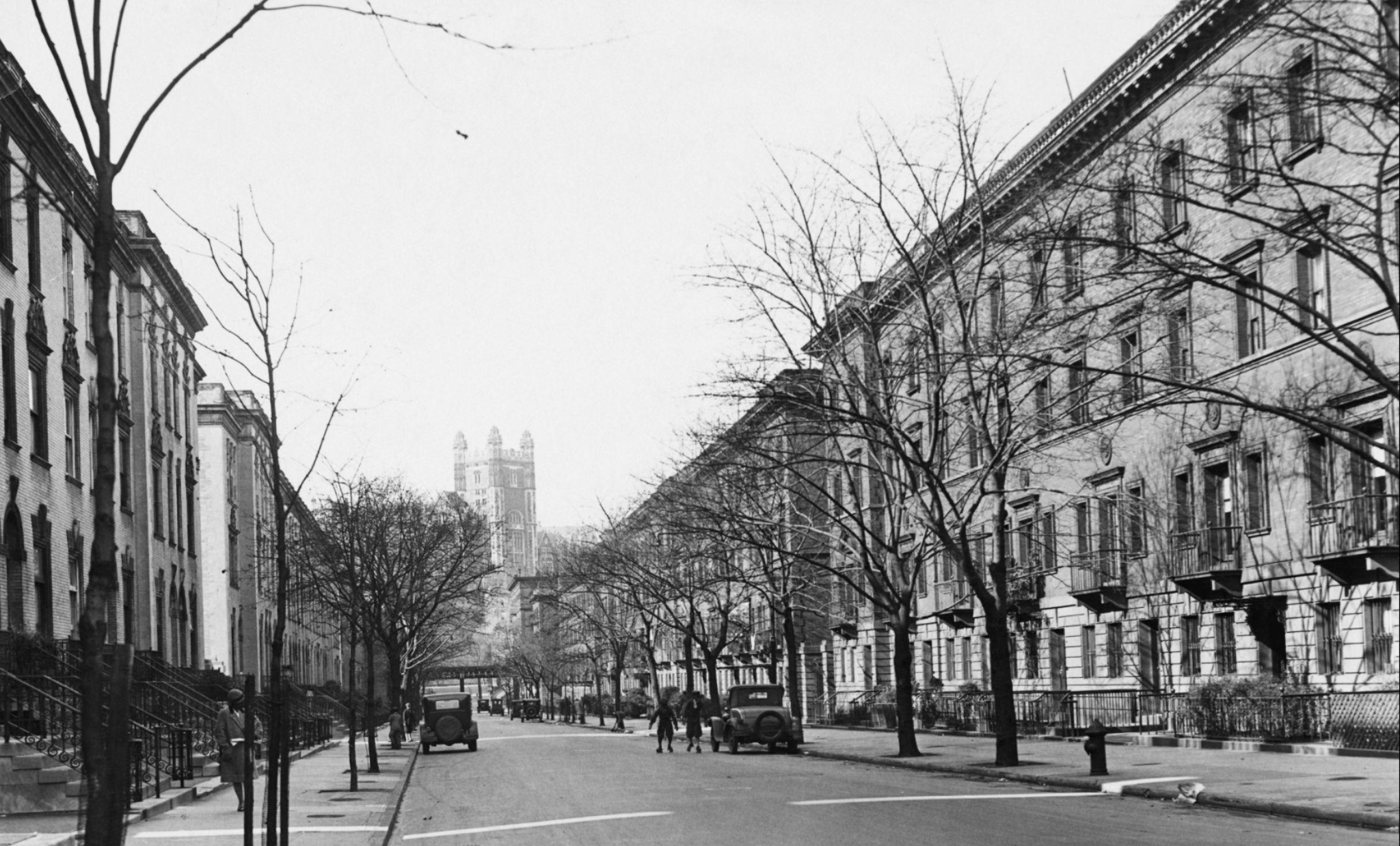
A view down a street in Harlem, New York City, with the tower of the College of the City of New York in the background, circa 1930.
ACT IV: Morningside Park
Morningside Park was designed by Olmsted and Vaux, the same minds behind Central Park. It was was steep, wild, and dramatic. What made the blocks along its edge compelling was space, proximity to green, and an architectural freedom that downtown Manhattan couldn’t offer.
Developers understood the value proposition early. By the early 20th century, this area had become one of the most architecturally cohesive townhouse districts in the city.
ACT V: The Harlem Renaissance Next Door
Just below the ridge, Harlem evolved very differently: denser, more residential, more improvisational. And extraordinary. W.E.B. Du Bois lived nearby. Langston Hughes wrote some of his most enduring work just blocks away. Duke Ellington came of age here, when Harlem was the epicenter of American music.
These townhouse-lined streets sat at the hinge point between the institutions above and the cultural explosion below. That history is embedded in these buildings.
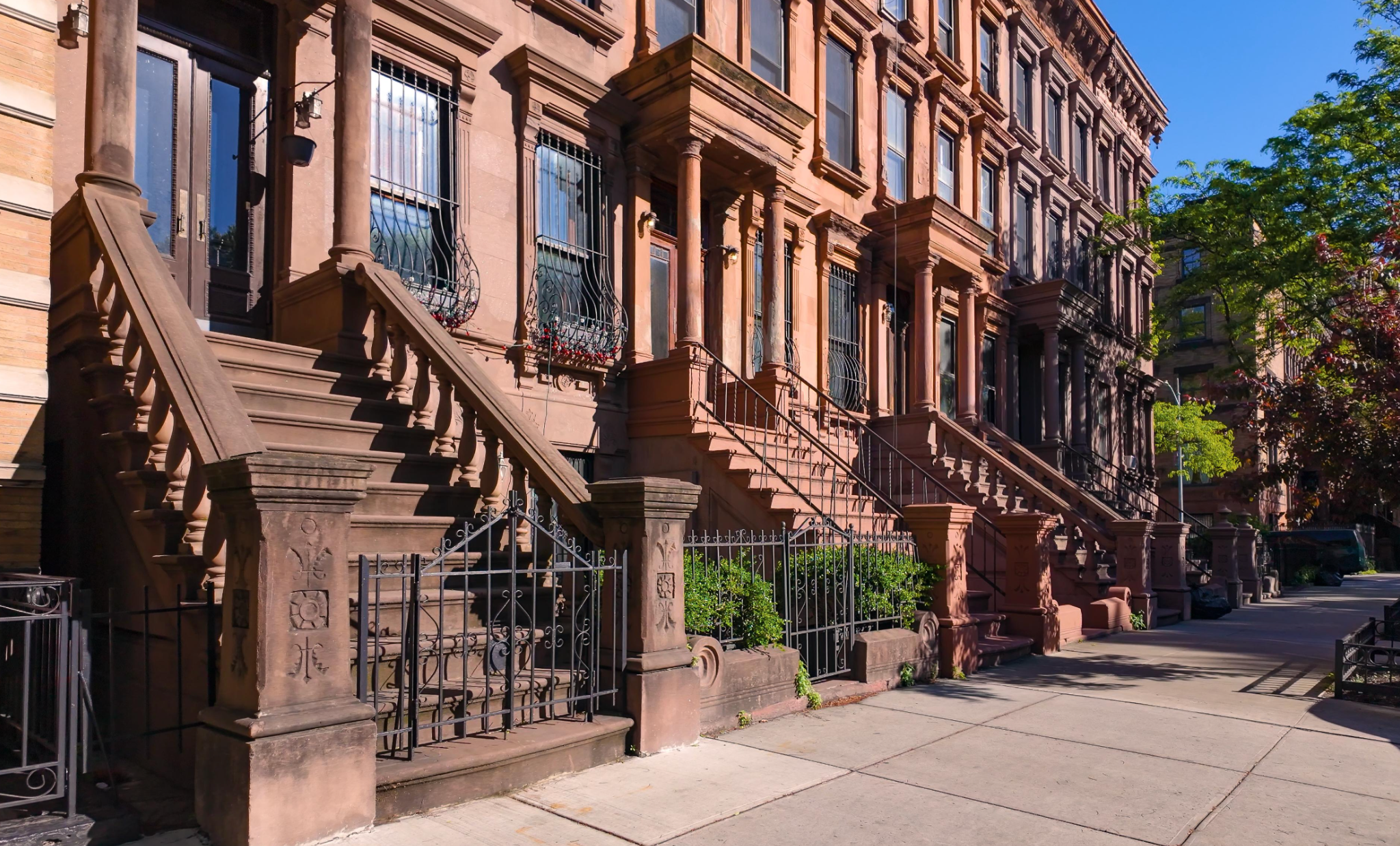
ACT VI: Cycles of Decline and Rediscovery
Like much of Harlem, the neighborhood experienced decades of disinvestment in the mid-20th century. Homes were subdivided and details lost. But the fundamentals never changed: the proportions, the underlying architecture.
Beginning in the 1990s, a quieter rediscovery began. Architects, designers, and buyers priced out of the West Village and Brooklyn brownstones began to recognize what was hiding in plain sight.
ACT VII: Why It Matters Now
Today the neighborhood occupies a rare position. Not undiscovered, but not fully priced for what it offers. Design-forward renovations are reshaping interiors while historic facades remain intact.
When you walk these streets, you can feel it. Not just the architecture of homes which held salons, conversations, arguments, and artistic breakthroughs, but the history embedded in them.
Townhouse Living in Morningside
The buyer drawn to this neighborhood today is drawn to possibility. This is for those who want to live a quality lifestyle with proximity to parks and top culinary & cultural destinations, in historic homes with contemporary interiors, and last but not least, to own something at a price per square foot that the rest of the island stopped offering a long time ago.
That’s the backdrop, and the opportunity, for 387 Manhattan Avenue.
387 Manhattan Avenue
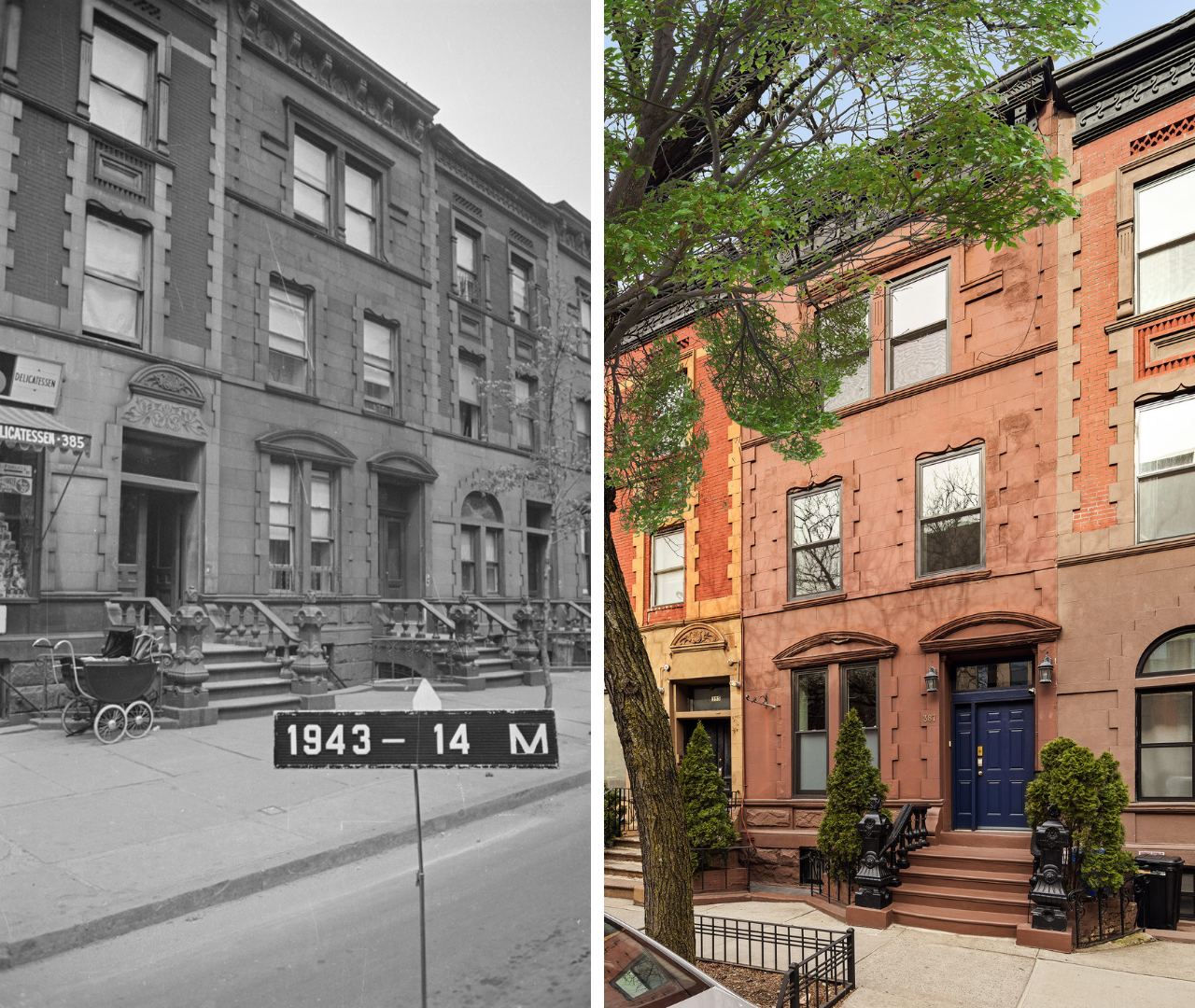
Above, left: Manhattan Avenue, 1943. A glimpse of the block as it stood, remarkably intact, over 80 years ago.) Above, right: The house as it stands today.
A fully realized version of what these homes were always meant to be. Nearly 3,000 square feet, an 18-foot-wide footprint, and a quick stroll to both Morningside and Central Park, this house boasts a full, design-forward renovation with luxurious finishes.
A solar panel canopy provides much of the house’s utility needs.
Finally, with taxes under $14,000 per year, it’s a rare case where a Manhattan townhouse carries more like a one-bedroom condo.
Turnkey, distinctive, and available off-market.
Manhattan Townhouse Market Report
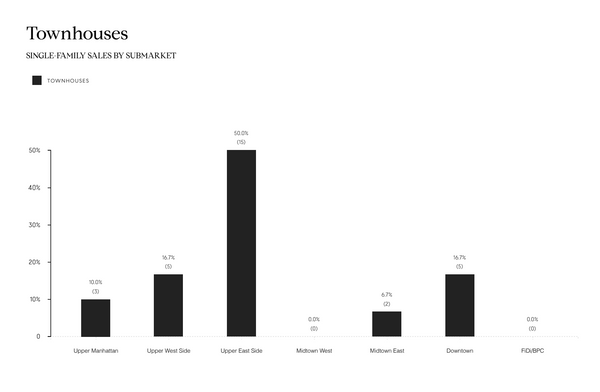
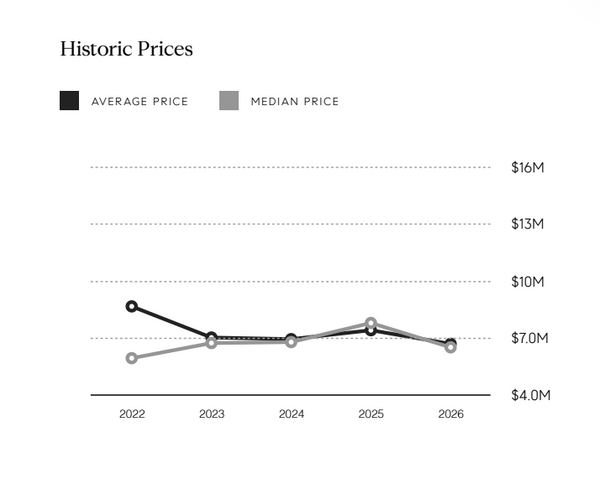
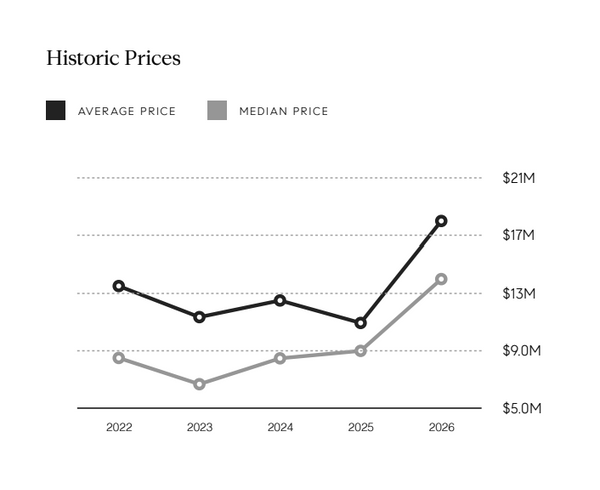
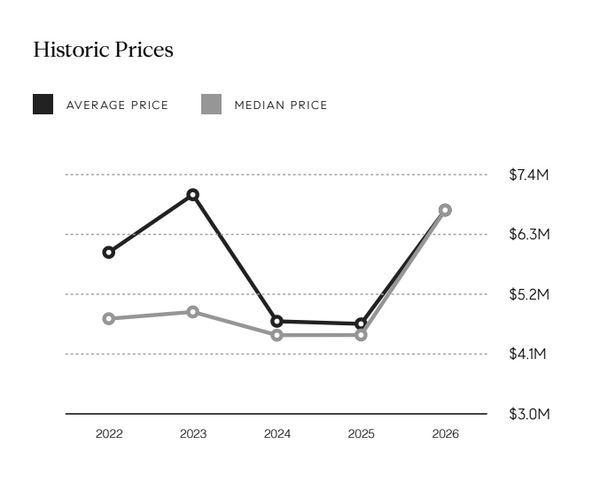
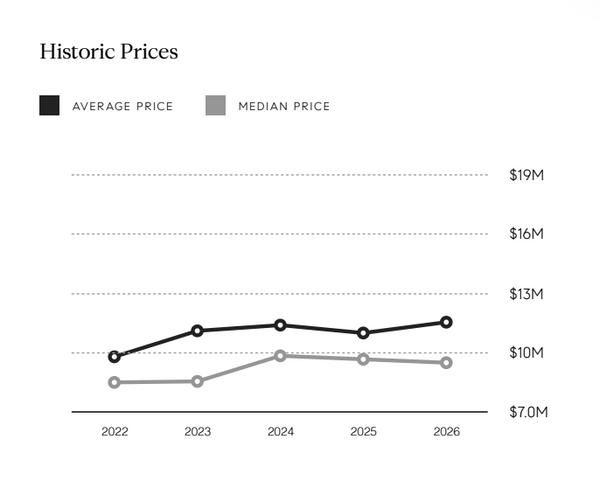
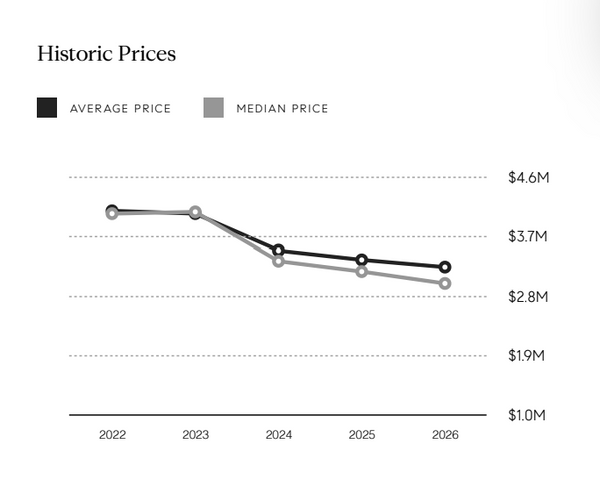
The townhouse market continues to tell a more nuanced story than the broader Manhattan market.
Rather than moving in one direction, pricing is diverging by neighborhood, driven by inventory constraints, renovation quality, and buyer expectations around space and privacy.
Upper West Side
Stability. Demand remains consistent, particularly for turnkey homes near the park, and limited inventory continues to support pricing.
Upper East Side
A clear upward move, driven by high-end renovated inventory and renewed confidence among discretionary buyers.
Midtown East
More volatility. A smaller dataset where individual trades can skew averages, but overall demand remains selective.
Downtown
Quietly resilient. Strong lifestyle demand and limited supply continue to anchor pricing.
Upper Manhattan
Softer pricing, but this is where opportunity sits, particularly for buyers willing to invest in renovation and long-term upside.
A $75M West Village Masterpiece
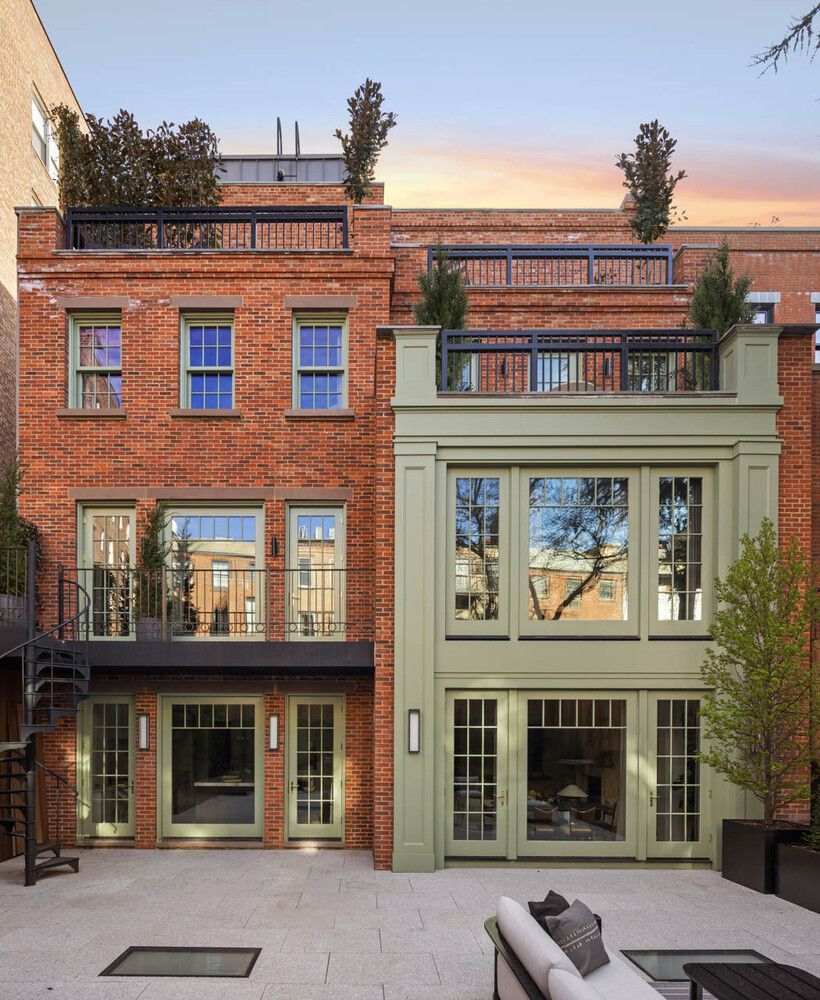
A contract has been signed for a townhouse on Bank Street, a ~13,000-square-foot single-family residence in Manhattan’s West Village, last asking $75 million. The home merges two landmark townhouses into one expansive, meticulously crafted property. which was years in the making.
Designed by Robert A. M. Stern, the residence stands out for its scale, craftsmanship, and rarity in one of New York’s most iconic neighborhoods. At this level, the market becomes more about singularity: scale, provenance, and the inability to replicate what’s being offered.
LACMA’s Long-Awaited Expansion Is Finally Here
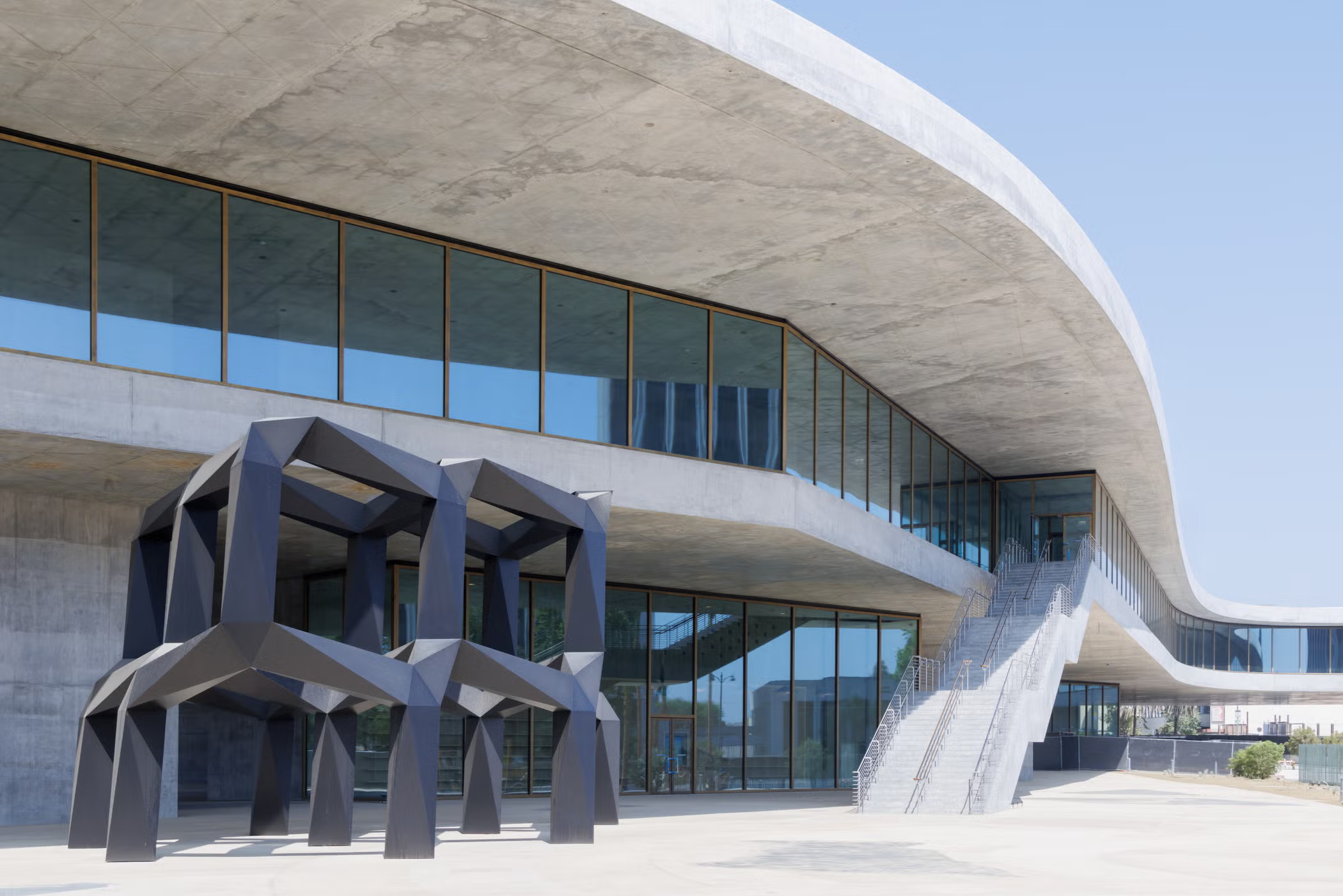
David Geffen Galleries at LACMA; exterior view from East West Bank Commons southeast toward Wilshire Boulevard with Tony Smith’s Smoke (1967) in foreground, © Tony Smith Estate/Artists Rights Society (ARS), New York, photo © Iwan Baan
After nearly six years of construction, the new David Geffen Galleries at the Los Angeles County Museum of Art are set to open on April 19, with public access beginning May 4. The ambitious $724 million project reimagines the museum’s campus with a bold, contemporary design that reflects Los Angeles’ evolving cultural landscape.
Museum director Michael Govan emphasized the bigger vision behind the investment: a continued push to expand cultural infrastructure and deepen the city’s relationship with art. “The goal is to spend more on cultural infrastructure, especially when it includes art,” he said.
The new space promises a fresh way to experience LACMA’s collection, marking a major moment not just for the museum, but for the future of art in L.A.